
Cost of Living
Is Chiang Mai LGBTQ Friendly?
Is Chiang Mai LGBTQ friendly? An honest look at marriage equality, safety, public affection, community life and what LGBTQ foreigners can expect.
6 min read
By Daniel Calleja, founder of The Chiang Mai Brief and Chiang Mai resident.
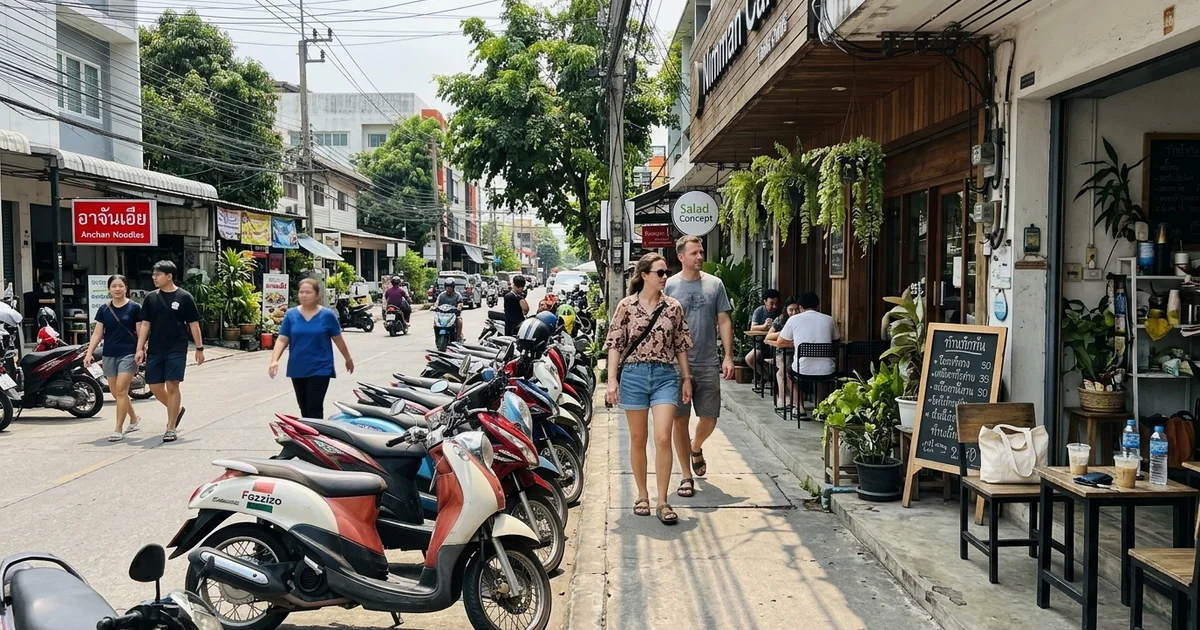
Yes, generally. Chiang Mai is a socially relaxed city where LGBTQ residents and visitors rarely attract comment, particularly in the areas popular with younger Thais, university students and the international community. Openly gay and transgender people are a normal part of daily life here, and the city leans tolerant rather than hostile.
Two things are worth separating from the start. Social acceptance and legal protection are not the same thing, and Thailand has moved faster on the second than many expect: same-sex marriage has been legal since January 2025. Individual experiences can still vary by setting and circumstance, and what follows covers both the legal position and the everyday reality honestly. If you arrived via the remote-work route, working remotely from Chiang Mai covers the practical setup; for the honest trade-offs after that, living in Chiang Mai pros and cons is the closing read in this series.
Is Same-Sex Marriage Legal in Thailand?
Yes. The Marriage Equality Act, formally the Civil and Commercial Code Amendment Act (No. 24) B.E. 2567, took effect on 23 January 2025, making Thailand the first country in Southeast Asia to legalise same-sex marriage. The law passed both chambers of parliament in 2024 with overwhelming majorities and took effect after publication in the Royal Gazette. Same-sex couples can register their marriage at any district office in the country, including in Chiang Mai, and at Thai embassies abroad.
Married same-sex couples hold the same core rights as any other married couple: property and inheritance rights, social security and spousal benefits, and the right to make medical decisions for a partner. Foreign couples can also register regardless of gender, provided neither partner is already married. Some gaps remain elsewhere in the law, most notably the absence of legal gender recognition for transgender people, so full legal equality is a work in progress rather than a finished job.
Is Chiang Mai Safe for LGBTQ People?
Generally yes. Chiang Mai is a calm city accustomed to diversity, and harassment directed at LGBTQ people is uncommon. Violence targeting LGBTQ people specifically is rare, and the everyday safety picture is the same one everyone here lives with: roads, scooters and petty opportunistic theft are the realistic risks.
Honesty requires one caveat, drawn from national rather than local data. A UNDP survey in 2019 found most Thais reported positive attitudes towards LGBT people, but it also found persistent stigma, with many LGBT respondents reporting verbal harassment at some point. The gap between a tolerant atmosphere and a friction-free one is real, and it is worth knowing both halves.
Is Public Affection Accepted in Chiang Mai?
Mostly, and the context matters more than the orientation. Thai public culture is generally reserved about affection: overt displays by any couple, straight or gay, are considered poor form in temples, formal settings and older or more rural company. In everyday city spaces, nobody pays much attention to a same-sex couple holding hands.
The practical guidance is simply to read the setting, which is the same advice Thais follow themselves. Casual affection passes unnoticed in Nimman or the Old City cafes; keep it more subdued at temples and official venues. Nightlife and entertainment venues are the most relaxed spaces of all. LGBTQ couples are not uniquely restricted here; the cultural bar applies to everyone.
Is There an LGBTQ Community in Chiang Mai?
Yes, and it is more established than the city’s size suggests. LGBTQ-friendly bars and clubs have long clustered around the Night Bazaar and Charoen Prathet area, and the wider cafe and social scene is casual about who shows up. The large student population keeps the community young and visibly present.
Chiang Mai also holds an annual Pride event each May or June, which has grown into a multi-day programme, and community organisations such as the Mplus Foundation, a long-running Chiang Mai group working on LGBTQ health and rights, give the scene an institutional anchor. It is smaller and lower-key than Bangkok’s community, but for a city of this size it is genuine and easy to find.
Are LGBTQ Foreigners Treated Differently in Chiang Mai?
Socially, barely. Foreigners here tend to be treated as foreigners first: Thais generally extend the same easygoing acceptance to LGBTQ visitors and residents that they extend to Thai LGBTQ people, and some foreigners find they get slightly more latitude as outsiders who are not expected to fit local norms.
For everyday rights and social treatment, the position is broadly similar, although immigration and nationality rules can create additional considerations for foreigners. A same-sex marriage registered in Thailand is now recognised the same way as any other marriage, and the Gender Equality Act of 2015 prohibits unfair gender-based discrimination, though protections remain narrower and less tested than in many Western countries. Dating apps and social groups here are active and mixed, and meeting people presents no particular difficulty. Day to day, though, the questions LGBTQ foreigners ask about living in Chiang Mai are usually the ordinary ones: visas, healthcare, housing and which neighbourhood suits them.
Sources
- Government Public Relations Department, Thailand. “Thailand’s Marriage Equality Law Takes Effect.” Official government release on the Civil and Commercial Code Amendment Act (No. 24) B.E. 2567 and the equal rights it grants. Source
- UNDP Thailand. “Thailand’s Marriage Equality: A Huge Step, But the Journey Continues.” United Nations account of the law taking effect on 23 January 2025 and the remaining reform agenda. Source
- International Labour Organization, NATLEX. “Thailand: Gender Equality Act, B.E. 2558 (2015).” Record of Thailand’s 2015 law prohibiting unfair gender-based discrimination. Source
- UNDP. “Tolerance but not Inclusion.” National survey (2019) finding broadly favourable attitudes towards LGBT people in Thailand alongside persistent stigma and discrimination. Source
- International Bar Association. “Thailand’s Marriage Equality Act: what comes next?” Legal analysis of the 2025 Act and the gaps that remain in Thai law, including gender recognition. Source
- M Plus Foundation. Official website of the Chiang Mai-based foundation working on LGBTQ health, rights and community support. Source
- Time Out Chiang Mai. “Your ultimate guide to Chiang Mai Pride 2026.” Coverage of the current annual Chiang Mai Pride event. Source
Stay updated
Get the Chiang Mai Brief
Useful local updates, new guides, openings and practical information for living in or visiting Chiang Mai.