News
Yi Peng & Loy Krathong 2026: Dates, Events and What to Know
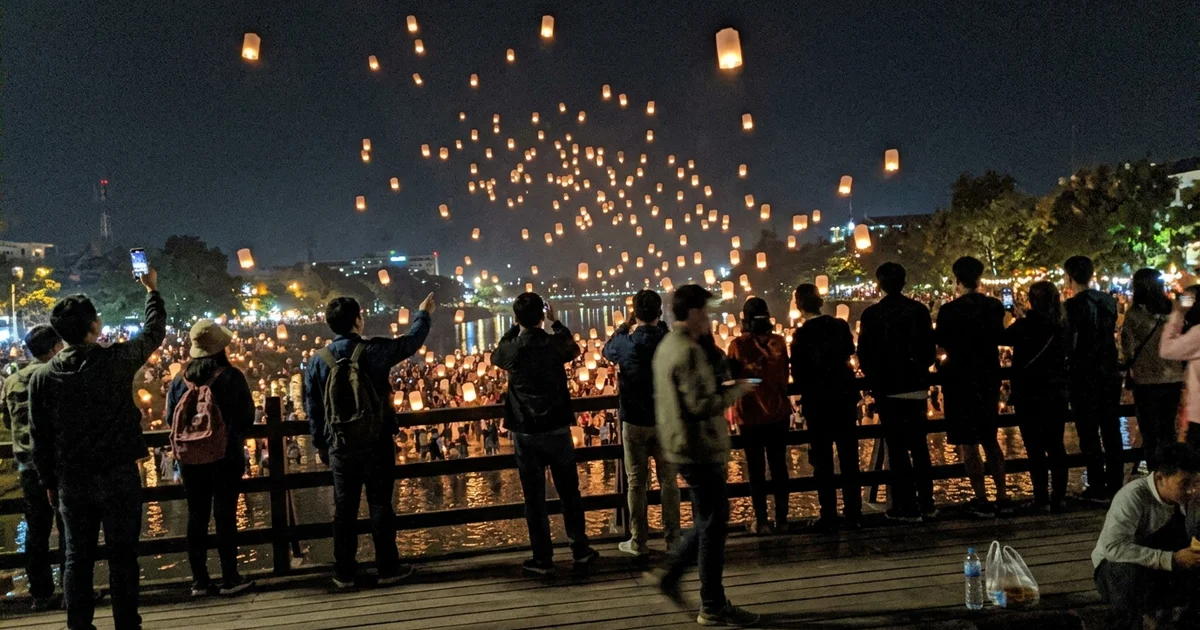
Chiang Mai's lantern festivals are approaching. Here are the 2026 dates, the main ticketed and free events, and practical tips for seeing them well.
7 Sept 2026
Events
The central hub for Chiang Mai's festivals and annual events cycle — the Yi Peng and Loy Krathong lantern festivals, Songkran, and how the seasons shape the best time to visit.
In this section
Yi Peng and Loy Krathong explained, including what's ticketed, what's free, and how to see them well.
The country's biggest water festival at its most intense, and how to enjoy it or avoid it.
Cool, hot, green and smoke seasons — what each month is actually like and when to come.
Our rolling News & Updates feed carries dated event coverage as it's confirmed.
Chiang Mai runs on a strong annual rhythm, and knowing it changes how you plan almost everything — when to visit, when to travel, when to book accommodation months ahead and when you can walk in.
This hub sets out that cycle, plus proper guides to the two festivals that define it.
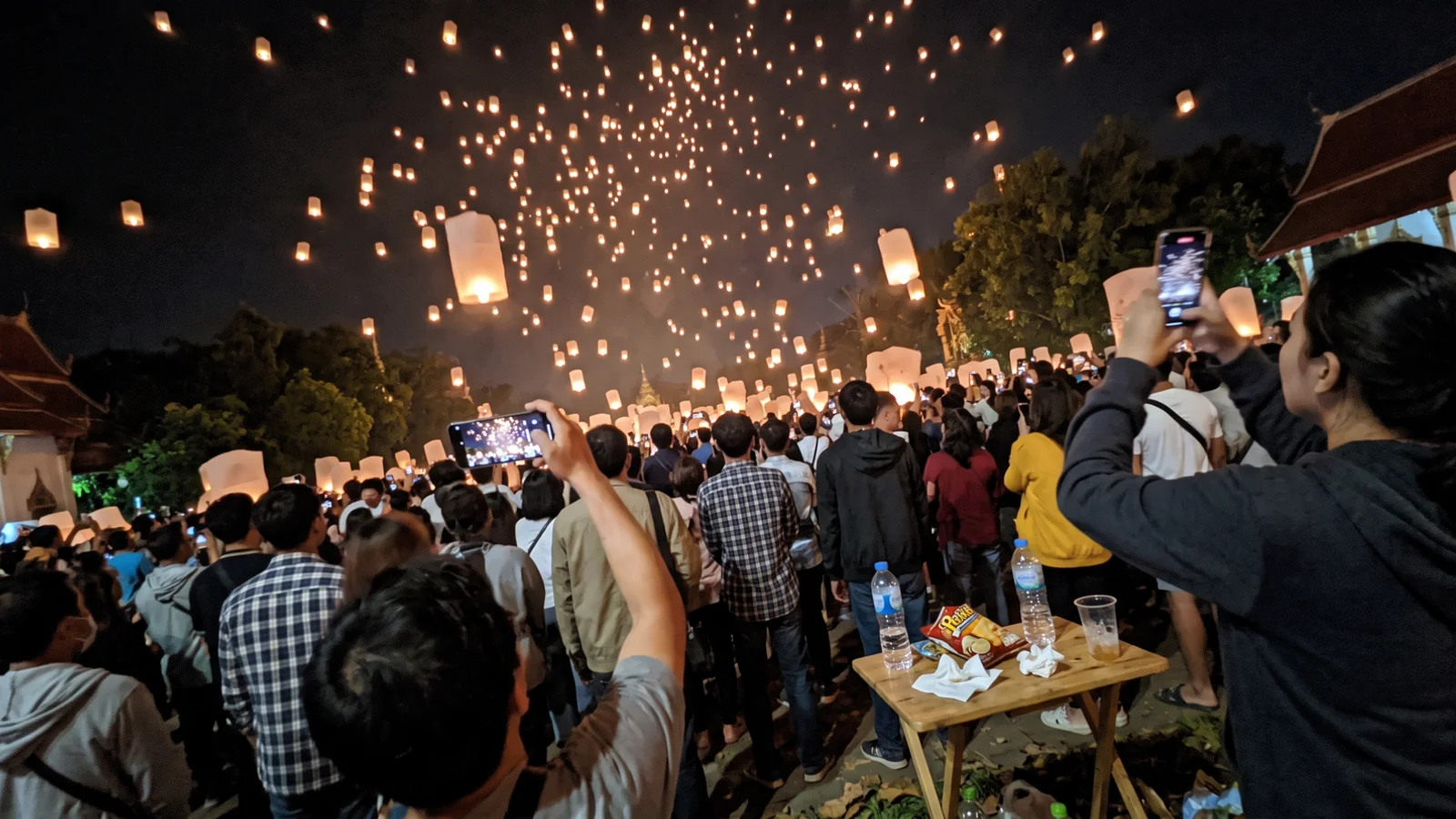
The lantern festivals are the reason Chiang Mai fills up in November. Loy Krathong is celebrated across Thailand: banana-leaf floats carrying candles and incense are released onto rivers and ponds as an act of letting go. Yi Peng is specifically Lanna: thousands of paper lanterns released into the night sky.
Because both fall together here, Chiang Mai gets the version of the festival everyone has seen photographs of. For practical planning around sky lanterns, free city events and ticketed releases, see our Chiang Mai Lantern Festival guide.
Practical framing:
Songkran, Thai new year in mid-April, is a three-day water festival, and Chiang Mai does it more intensely than anywhere else in the country. The moat becomes the world’s largest water fight.
It’s genuinely joyful and completely inescapable if you’re in the centre. Waterproof your phone, expect to be soaked from the moment you leave the door, and plan around it rather than through it if that’s not your thing.
Note the overlap with burning season: April is both the water festival and often the tail of the smoke. Our air quality hub covers what that means in practice.
| Season | Months | What it’s like |
|---|---|---|
| Cool season | Nov–Feb | Dry, mild, clear. The best months, and the busiest. |
| Smoke season | Feb–Apr | Hot and hazy. See our air quality hub before booking. |
| Hot season | Apr–May | Genuinely hot. Songkran falls here. |
| Green season | Jun–Oct | Afternoon rain, lush landscape, quiet, cheapest. |
The burning season caveat is the single most important thing a first-time visitor can know: if you’re choosing between March and November, choose November.
Beyond the big festivals, the city has a steady calendar of temple fairs, markets, the weekly walking street events and a growing arts and music scene. Dated coverage of what’s coming up lives in our News & Updates feed rather than here, so that this hub stays useful year after year.
Guides
Every evergreen guide we've published on festivals & events calendar in Chiang Mai.
How often
Best time to visit Chiang Mai: compare cool, hot and rainy seasons, month-by-month weather, burning season smoke, festivals, crowds, prices and packing tips.
29 min read
What to expect
Chiang Mai Flower Festival is one of the city’s most colourful annual events, combining a flower parade through central Chiang Mai with floral displays, garden exhibits, plant stalls and cultural activities centred on Nong Buak Haad Public Park. The 2027 festival is expected to return in February, but the official dates, parade route and programme have not yet been announced. This guide covers the latest date information, where the festival is held, what to expect from the parade, the best places to watch, and practical tips for planning your visit.
12 min read
What to expect
Plan for the Chiang Mai Lantern Festival with practical guidance on Yi Peng, festival dates, sky lantern releases, free vs ticketed events, locations, tickets, transport and visitor etiquette.
12 min read
What to expect
Plan Loy Krathong in Chiang Mai with clear advice on Yi Peng, dates, riverside celebrations, crowds, transport, safety and respectful participation.
12 min read
What to expect
Songkran Chiang Mai dates and schedule, plus the main water-fight zones around the moat, traditional celebrations, safety and what to expect.
6 min read
Got questions?
Keep exploring
Things To Do
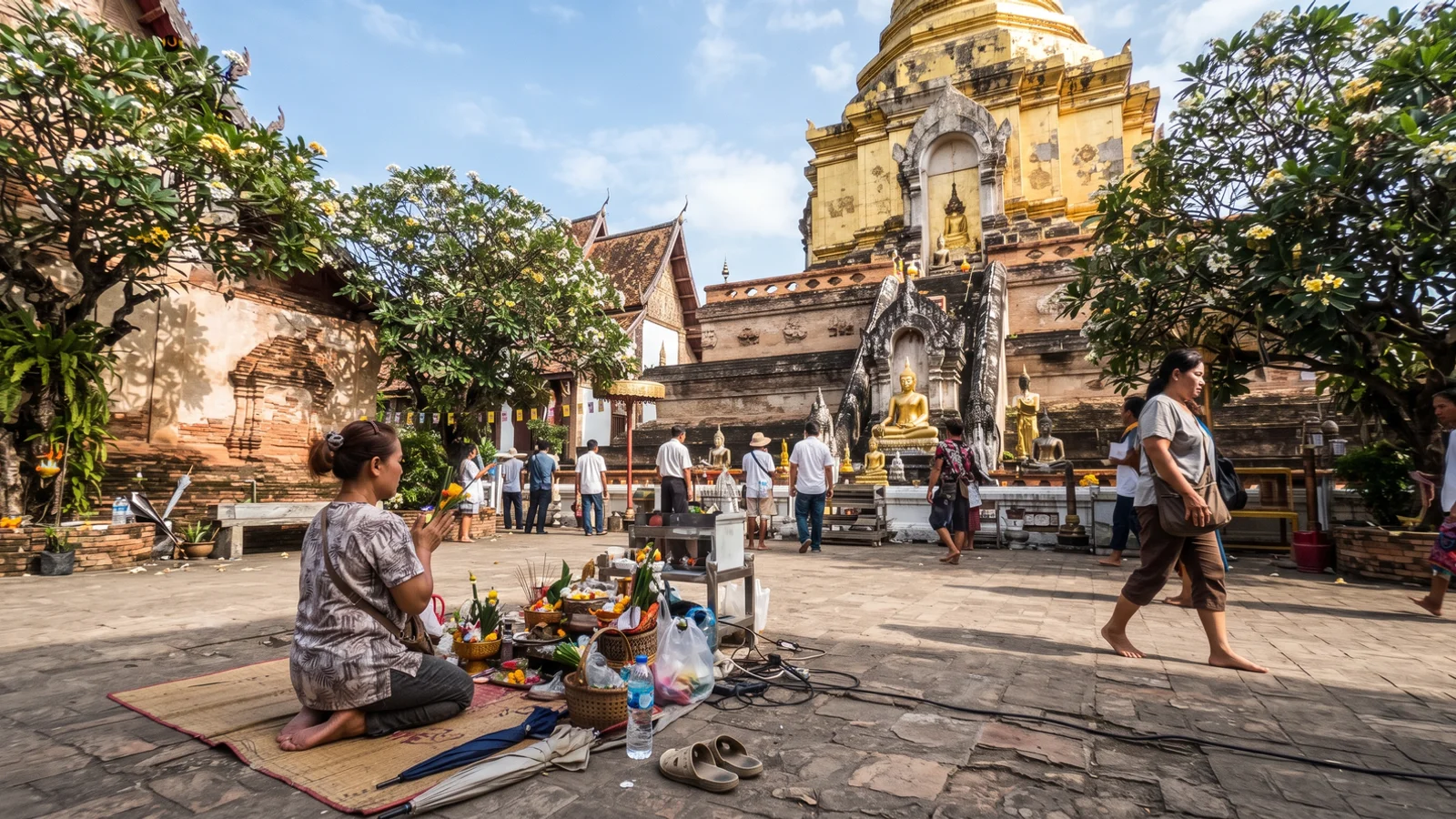
Temples, cultural sites and etiquette in Chiang Mai.
Living in Chiang Mai
Chiang Mai burning season explained: when the smoke arrives, how bad PM2.5 and AQI get in March and April, and how to plan a trip or daily life around it.

Travel
Day trips beyond the city, nature and travel connections.
Newsletter
Occasional emails with useful Chiang Mai updates, new openings and guides worth knowing about.
The Chiang Mai Brief
Occasional emails with useful Chiang Mai updates, new openings and guides worth knowing about.