
Neighbourhood Guides
Chiang Mai Old City Neighbourhood Guide
A full guide to Chiang Mai's Old City within the moat — temples, walkability, accommodation, the quarters (Si Phum, Phra Sing) and pros and cons.
7 min read
By Daniel Calleja, founder of The Chiang Mai Brief and Chiang Mai resident.
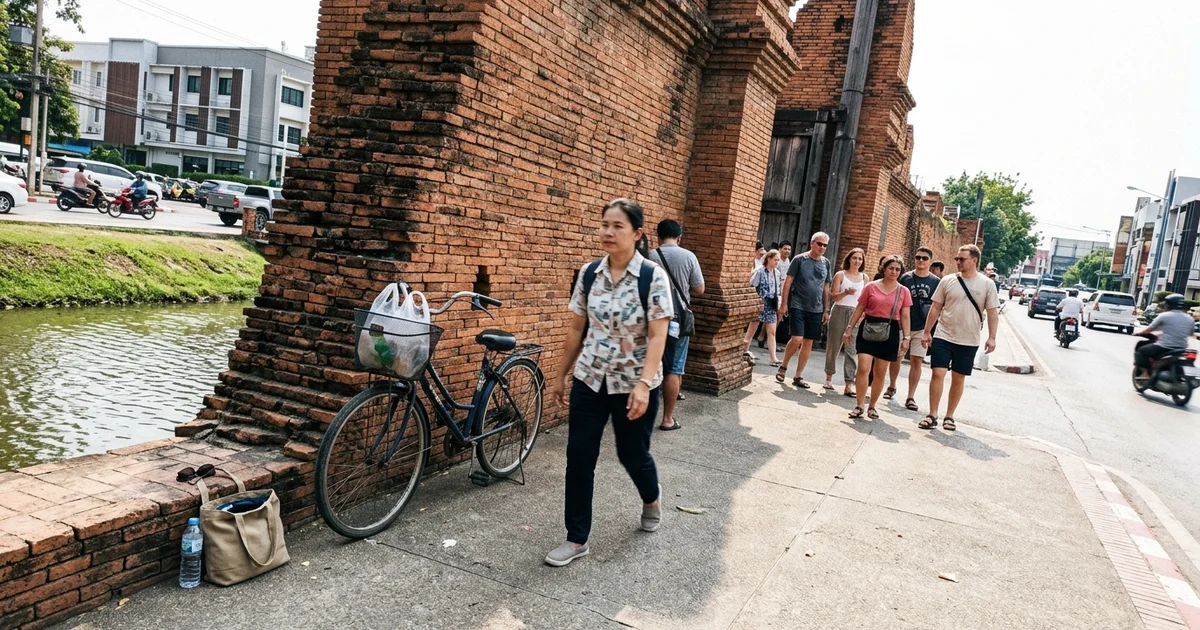
What the Old City is
The Old City is the square kilometre and a half inside Chiang Mai’s moat and remaining walls, laid out when the city was founded in the late thirteenth century. It contains more than thirty temples, a dense grid of small lanes, and a mix of guesthouses, cafés, restaurants and ordinary Thai homes.
It’s the most walkable part of Chiang Mai and the most historically significant. This guide sits alongside our other neighbourhood guides.
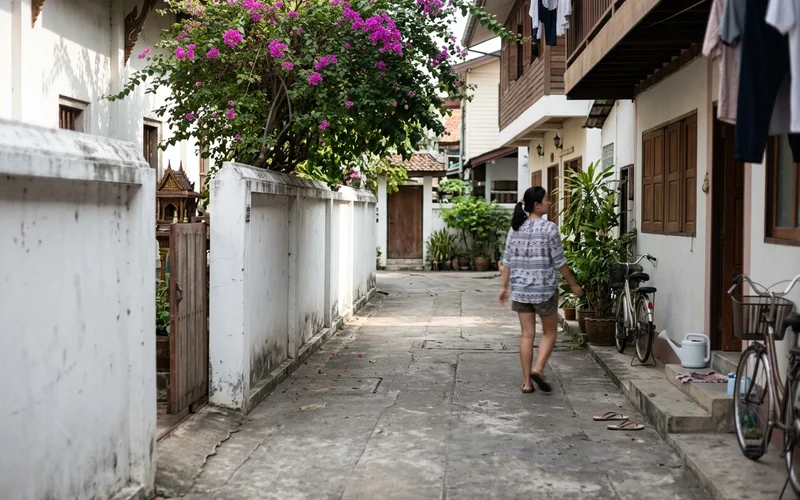
The quarters
The Old City divides into four administrative quarters, and they have genuinely different characters.
Si Phum (north-east) — quieter and more residential, with small lanes, local shops and a slower pace. A good compromise between atmosphere and calm.
Phra Sing (south-west) — home to Wat Phra Singh and a concentration of temples, guesthouses and visitor infrastructure. Busiest during the day.
Sri Phum’s western edge and the Suan Dok Gate side — closer to Nimman, with easier access west and a slightly more modern feel.
The Tha Phae Gate corner (east) — the main entry point for most visitors, busiest, with the highest concentration of tourist-facing businesses.
The general rule: the further from Tha Phae Gate and Ratchadamnoen Road, the quieter it gets.
Living inside the moat
| Old City | |
|---|---|
| Studio rent | 6,000–12,000 THB |
| 1-bedroom | 12,000–22,000 THB |
| Building stock | Older, low-rise, height-restricted |
| Walkability | The best in the city |
| Noise | High near the gates and walking streets; quiet in the lanes |
| Food | Enormous range, from 40 THB market plates to good restaurants |
| Green space | Temple grounds, limited parks |
| Transport | Walking, bicycle, songthaew on the moat road |
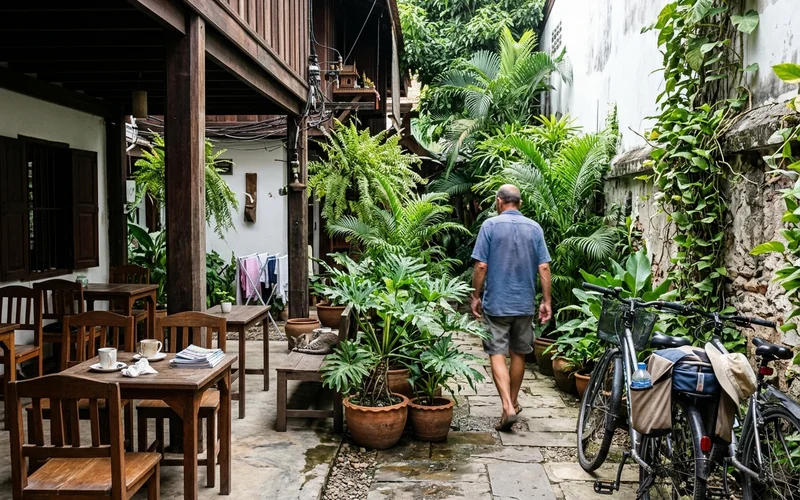
The height restrictions matter. There are no tall modern condos inside the moat, which means the Old City has none of Nimman’s pool-and-gym building stock. What it has instead is older apartments, converted shophouses and guesthouses offering monthly rates.
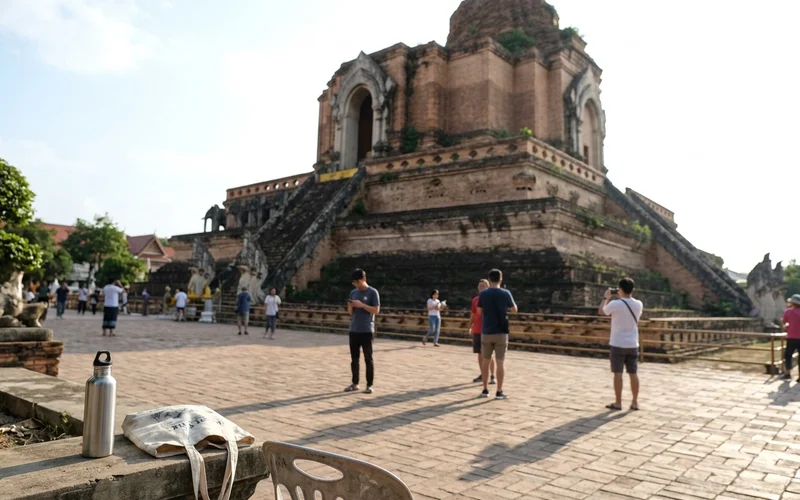
The temples
You’re never more than three minutes’ walk from one. The major sites — Wat Chedi Luang, Wat Phra Singh, Wat Chiang Man — are all inside the walls, along with dozens of smaller working temples that see almost no visitors.
That density is the whole argument for staying here. Our Old City temple walking route links five of them into a morning that makes geographic sense.
Daily life
Food. Excellent and cheap. Morning markets, noodle shops, the temple food courts during walking streets, and a growing set of good modern restaurants.
Getting out. The moat road is the main artery for songthaew, so getting anywhere else in the city is easy. Nimman is ten minutes west, the river ten minutes east.
Weekends. The Sunday Walking Street closes Ratchadamnoen from late afternoon. If you live on or near it, plan around that; if you live three streets away, it’s a weekly bonus.
Traffic. The moat road is a fast one-way loop on each side and genuinely unpleasant to cross on foot in places. Inside the grid, traffic is slow and manageable.
Honest pros and cons
Pros
- Unmatched walkability
- Temples and history on your doorstep
- Cheap, excellent food
- Central to walking streets, markets and the main sights
- Cheaper than Nimman for comparable accommodation
Cons
- Older building stock, fewer modern facilities
- Busy with visitors, especially the eastern half
- Moat road traffic and noise
- Limited parking
- Fewer coworking options than Nimman
Who it suits
First-time visitors, unambiguously. People who want to walk rather than ride. Anyone who came for the temples and the history. Budget-conscious long-stayers, since older apartments here are reasonably priced.
It suits less well people who want a modern condo with a pool, anyone who needs quiet at all hours, and remote workers who want coworking within walking distance.
For the head-to-head with the other obvious option, see Nimman versus the Old City.
Stay updated
Get the Chiang Mai Brief
Useful local updates, new guides, openings and practical information for living in or visiting Chiang Mai.