
Temples & Culture
Wat Umong Chiang Mai Meditation Retreat
Learn what to expect at a Wat Umong Chiang Mai meditation retreat, including Vipassana practice, the daily routine, rooms, meals, costs, rules and registration.
6 min read
By Daniel Calleja, founder of The Chiang Mai Brief and Chiang Mai resident.
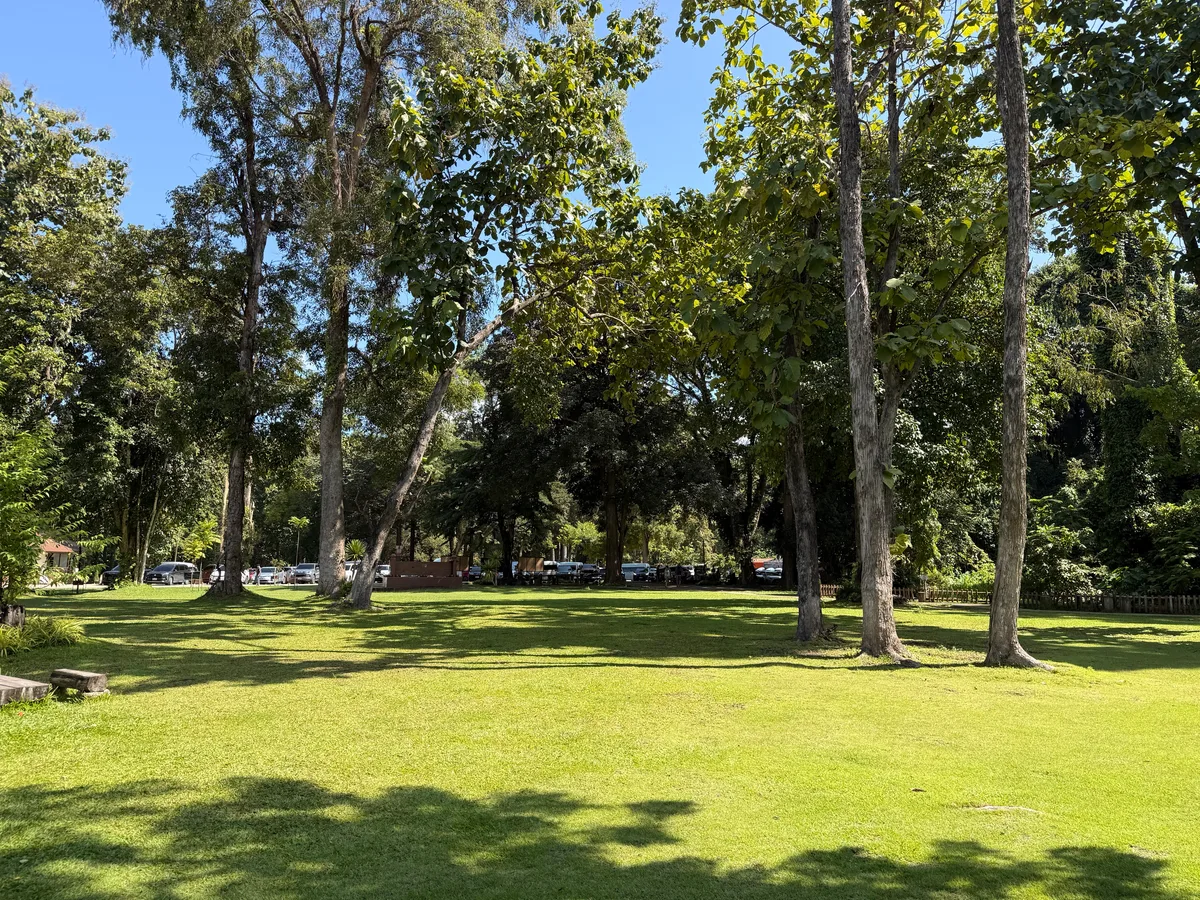
Wat Umong Suan Phutthatham offers residential meditation retreats at its forest monastery in Chiang Mai. The official meditation center currently advertises stays of 3 to 15 days. Participants follow a daily routine of Vipassana practice, chanting, cleaning, meals and rest.
This is a working Buddhist retreat, not a sightseeing stay with a little meditation added. White clothing, silence, simple accommodation and limited phone use are part of the experience. The forest setting supports the practice, but the daily discipline matters more than the temple’s famous tunnels.
Arrangements can change. Contact the center before travelling. Confirm availability, current fees, teaching language and the details of your stay.
Who can attend the Wat Umong retreat?
The center invites meditators from Thailand and abroad. It also provides daily instruction for new meditators. Prior retreat experience is therefore not presented as a requirement. Beginners still need to be ready for an early start. Long periods of self-practice and modest communal life are also part of the retreat.
The official rules ask participants to have good physical and mental health. They must follow the monks and center officers. They must also be ready to adapt to a new environment and respect the practice. Anyone with health, mobility or dietary needs should discuss them with the center before applying.
Foreigners are explicitly included in the center’s Dhamma teaching. However, the current information pages do not confirm the language used in every retreat session. Do not assume that all instruction will be in English. Ask who will teach during your dates. Also check whether suitable English-language guidance will be available.
Meditation practice and teaching
Wat Umong describes its practice as Vipassana. This term is often translated as insight meditation. The method is based on the Four Foundations of Mindfulness, or Satipaṭṭhāna. These involve attention to the body, feelings, mental states and other phenomena. The focus is on how they arise and change.
The aim is to develop clear awareness. This is not a wellness trend or a quick relaxation session. Monks and center staff also explain Dhamma, meaning the Buddha’s teachings, to Thai and foreign participants.
New meditators receive instruction at 09:30 in Building 4. Much of the published routine is then devoted to self-practice in Buildings 4 and 6. This structure is important to understand. You should not expect every meditation period to be a continuously guided group class. Participants need some willingness to work independently after receiving instruction.
Daily routine at the meditation center
The center publishes a structured schedule seven days a week. Its English and Thai pages differ on a few session end times. The main daily pattern is consistent.
| Approximate time | Activity |
|---|---|
| 05:30 | Wake up and attend to personal needs |
| 06:00–07:00 | Meditation and self-practice |
| 07:00–07:30 | Clean the grounds or meditation buildings |
| From 07:30 | Breakfast |
| From 09:30 | Instruction for new meditators; practice for experienced participants |
| 11:00–12:00 | Lunch |
| 12:00–14:00 | Rest |
| 14:00–15:00 | Meditation and self-practice |
| 16:00–17:00 | Cleaning and other practical duties |
| From 18:00 | Precepts, instruction and evening chanting or practice |
| 21:00 | Rest and bedtime |
Cleaning is part of the routine. It is not just a task completed by temple staff. Participants also help care for the spaces they use. Follow the schedule and instructions issued on arrival. They take priority over an older online version.
Accommodation and meals
The Thai information page says that rooms are available for individuals and groups. Accommodation should be approached as simple monastery lodging rather than a hotel stay. The published pages do not promise a particular room layout. They also do not confirm a private bathroom or level of furnishing. Ask about these points before registering if they matter to you.
The daily fee includes the room, bedding and utilities. Meals and drinks are also included, according to the Thai page. Breakfast and lunch appear in the routine. No evening meal is listed.
This two-meal pattern fits the stricter discipline described in the Thai instructions. Do not assume that dinner or snacks will be available. Special diets may also need advance discussion. Contact the center in advance about allergies, vegetarian food or health-related meal requirements.
Costs and clothing
The current official pages list these charges:
- Adults: 250 baht per day, including accommodation, bedding, utilities and the published meals and drinks.
- Students, schoolchildren and children: 180 baht per day on the Thai page. Confirm eligibility and any age-related conditions before relying on this rate.
- White clothing: 450 baht to buy a shirt and trousers, or 250 baht to rent a set for the stay.
The listed payment is marked no refund. The Thai page says this applies if a participant leaves before completing the registered period. This is a set-fee arrangement, not a donation-only retreat.
Participants can bring their own suitable white clothing. The Thai instructions call for an opaque, loose-fitting white shirt and long white trousers. A woman’s white skirt should extend below the knees. Clothing should not be tight or see-through. The Thai page also says not to wear T-shirts.
Bring essential toiletries, a towel, a watch and any medication you need. The center lists items such as soap, a toothbrush and toothpaste among the personal supplies to bring.
Silence, conduct and retreat rules
The Thai instructions require participants to observe the Eight Precepts. These are stricter Buddhist conduct commitments used to support practice. They affect food, sexual conduct and intoxicants. They also cover entertainment and other parts of daily life. Ask staff to explain them if you are unfamiliar with this discipline.
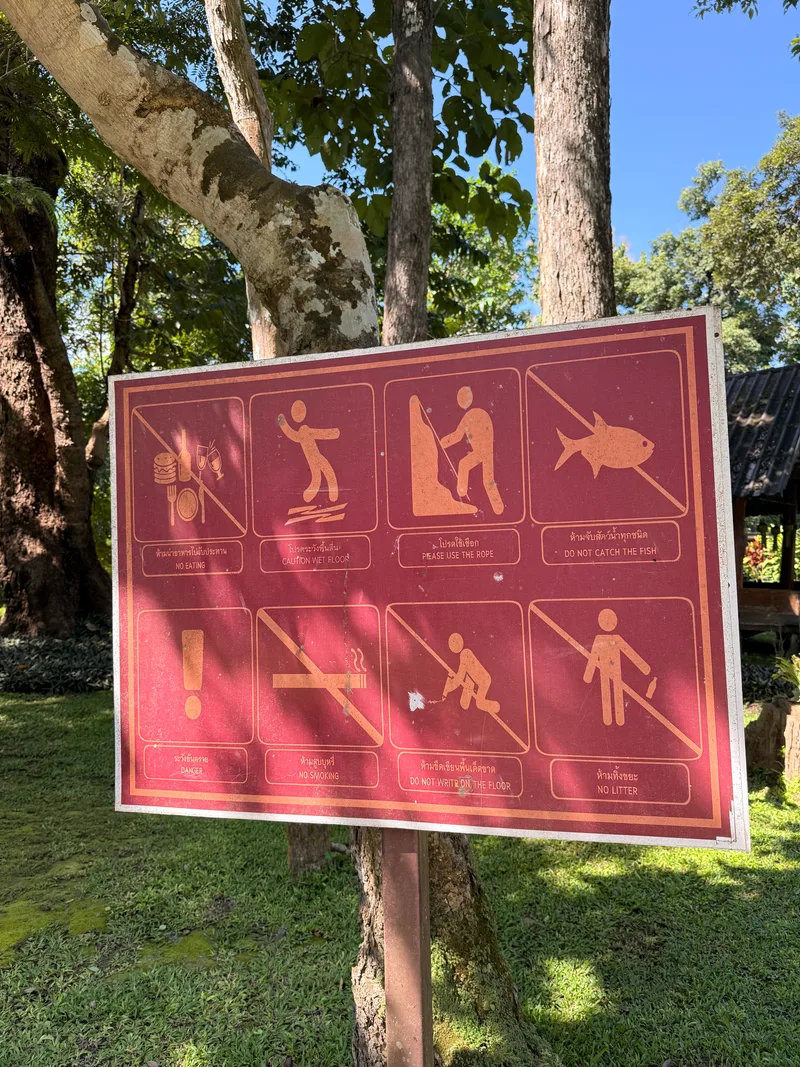
The center also requires a restrained and largely silent environment. Participants should avoid chatting and loud noise, including in bedrooms and during meals. Mobile phones must be off during practice. The English rules also tell participants not to use electronic devices.
Smoking, alcohol and addictive drugs are prohibited. Reading should relate to meditation or the books provided by the center. Participants must remain within the temple unless they receive permission to leave for a necessary reason.
Before departure, the Thai instructions ask participants to clean their rooms. Bedding must also be returned to the laundry room. These duties reflect the shared responsibility involved in a monastery stay.
Registration and contact information
The center asks people to email or call before arrival if possible. Use this contact to confirm space and current charges. Also ask about room arrangements and teaching language.
Registration takes place at 08:30 in Building 1. Bring a passport or other accepted identification and complete the application form. New participants then receive precepts and instruction at 09:30 in Building 4. Stays outside the advertised 3-to-15-day period should not be assumed to be available without prior agreement.
If you need a certificate for a stay of more than seven days, tell the center before starting the course.
Meditation Center, Wat Umong Suan Phutthatham
135 Moo 10, Suthep, Mueang Chiang Mai, Chiang Mai 50200
Telephone: +66 53 810 965 or +66 85 033 3809
Email: umongmedcenter@yahoo.com
Is the Wat Umong retreat right for you?
This retreat may suit you if you want a short residential introduction to Vipassana. It takes place within a working forest monastery. It requires an early routine, self-practice and silence. You must also accept simple rooms, two published meals and the Eight Precepts.
It may not suit someone who needs constant phone access or continuous guided teaching. Hotel-style accommodation and freedom to leave at any time are also not part of the offer. These are not small details. They are central to the experience, so resolve any concerns with the center before paying.
Wat Umong forms part of Chiang Mai’s temples and culture. Its retreat is best approached as a commitment to practice rather than a temple visit.
Stay updated
Get the Chiang Mai Brief
Useful local updates, new guides, openings and practical information for living in or visiting Chiang Mai.