
Visas & Immigration
The Retirement Visa (Non-O / Non-OA) in Chiang Mai
Retirement visa eligibility for Chiang Mai — age and financial thresholds, Non-O vs Non-OA, required documents and local steps.
6 min read
By Daniel Calleja, founder of The Chiang Mai Brief and Chiang Mai resident.
Who this route is for
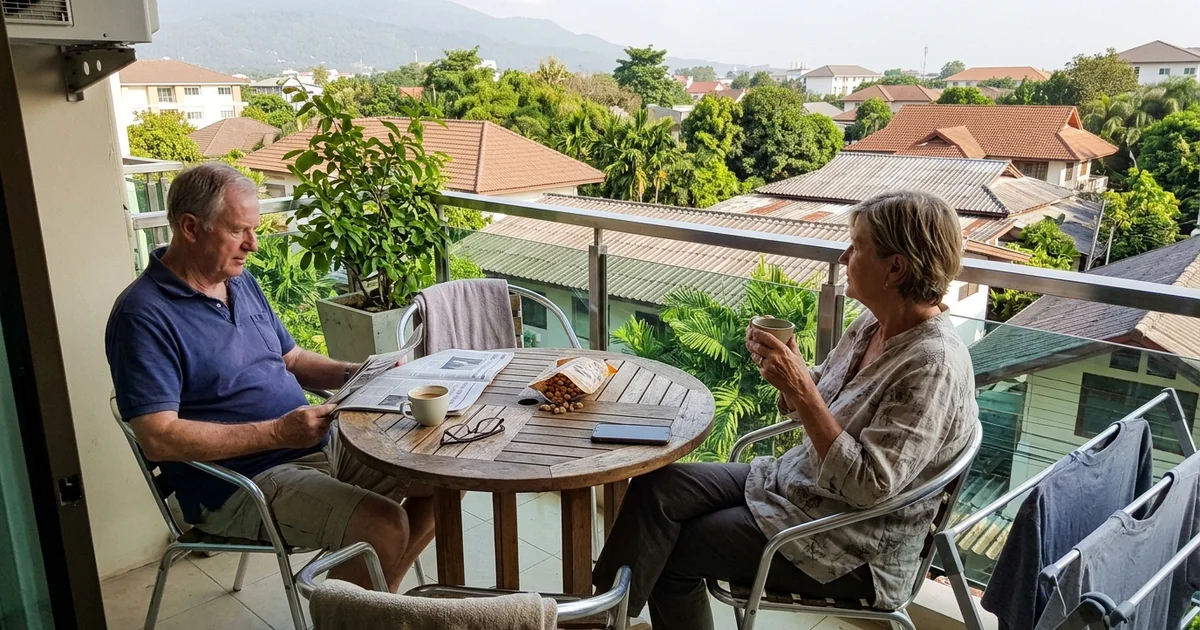
The retirement visa is the long-established path for foreigners aged 50 and over who want to settle in Thailand without working. If you’re weighing retiring in Chiang Mai, you’re in good company: the city has one of the largest retiree populations in the country, drawn by the cost of living, the healthcare and the weather for nine months of the year.
Compared with the other options in our visa guide, it’s the most predictable route: the requirements are well documented, the annual renewal cycle is routine, and immigration staff in Chiang Mai process a very high volume of these applications.
The catch is money. The financial thresholds are firm, and the mechanics of proving them create most of the friction people experience.
The eligibility test
Three conditions, all of which must be met.
Age. You must be 50 or older on the date of application. There is no flexibility here.
Finances. One of:
- 800,000 THB held in a Thai bank account in your sole name, seasoned for the required period
- A verifiable monthly income of at least 65,000 THB
- A combination of banked funds and annual income totalling 800,000 THB
No employment. The retirement visa does not permit work in Thailand in any form.
The seasoning rule catches people out more than the amount does. The money needs to be in the account for a set period before you apply and must remain at a required level for a period afterwards. Transferring the funds in the week before your appointment is the single most common reason applications get bounced.
If you’re under 50 or the financial thresholds don’t work for you, our comparison of DTV, retirement and education visas covers the alternatives.
Get the bank account sorted first
The financial requirement means you’ll need a Thai account before the visa in most cases, and the account itself can be the harder of the two. Read our guide to opening a Thai bank account in Chiang Mai before you start the visa process, not after.
Non-O versus Non-OA
These two get conflated constantly, and the difference matters.
| Non-OA | Non-O | |
|---|---|---|
| Applied from | Home country, before travel | Often converted in-country |
| Police clearance | Required | Not required |
| Health insurance | Mandatory, with minimum cover | Advisable, requirements vary |
| Medical certificate | Required | Usually not |
| Permission on entry | One year | 90 days, then extended to a year |
| Typical user | Planning from abroad | Already in Thailand |
Most Chiang Mai retirees end up on the Non-O route, either converting from a visa exemption or a tourist entry, or applying at a neighbouring embassy. It carries less documentation and doesn’t lock you into a specific insurance product.
The Non-OA suits people who want everything arranged before they arrive and are comfortable with the insurance requirement.
The annual cycle in Chiang Mai
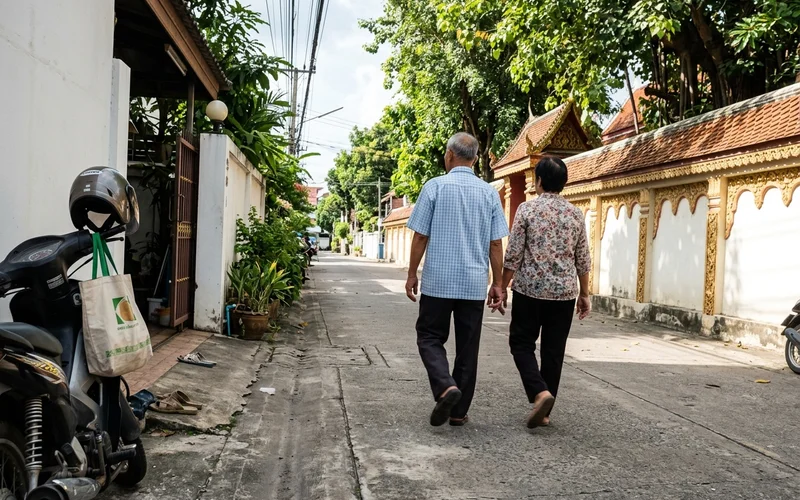
Once established, retirement in Chiang Mai runs on a predictable rhythm:
- Annual extension of stay at Chiang Mai Immigration, with fresh bank evidence each year
- 90-day reporting every quarter, in person, online or by post
- Re-entry permit before any trip out of the country, otherwise your permission to stay ends when you leave
- TM30 filed by your landlord whenever you move or return from abroad
None of this is difficult. All of it is easier if you keep a folder — bank letters, lease copies, TM30 receipts, passport photos — permanently topped up, rather than assembling it from scratch each year.
The documents to prepare
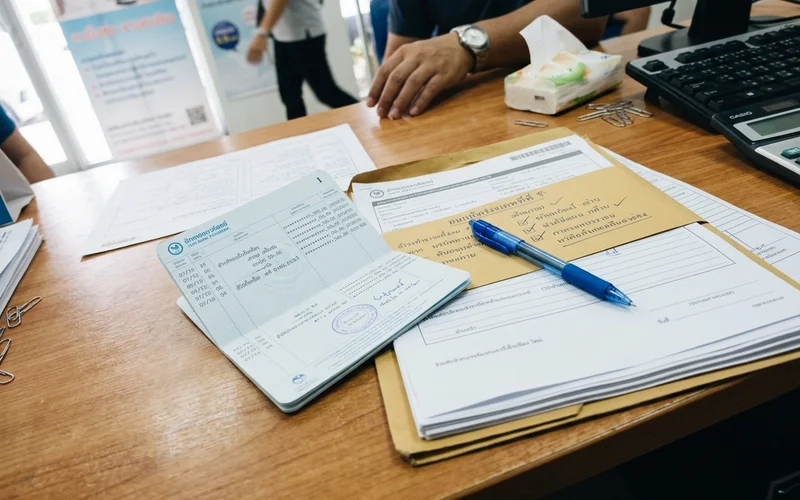
For a first application or conversion, expect to need:
- Passport with at least six months’ validity and blank pages
- Completed application forms with photographs
- Thai bank book plus a bank letter confirming the balance, dated close to your appointment
- Proof of income if using the income method, usually via your embassy or pension documentation
- Proof of address: lease agreement, TM30 receipt, and often a map to your residence
- Insurance documentation if applying for a Non-OA
Chiang Mai Immigration is used to this application and processes it quickly when the paperwork is clean. The delays are almost always document-side, not queue-side.
Stay updated
Get the Chiang Mai Brief
Useful local updates, new guides, openings and practical information for living in or visiting Chiang Mai.