
Accommodation & Renting
12-Month Lease vs Monthly Nomad Stays in Chiang Mai
Choose between a yearly lease and flexible monthly stays in Chiang Mai — cost/flexibility trade-offs, deposits and who each suits.
5 min read
By Daniel Calleja, founder of The Chiang Mai Brief and Chiang Mai resident.
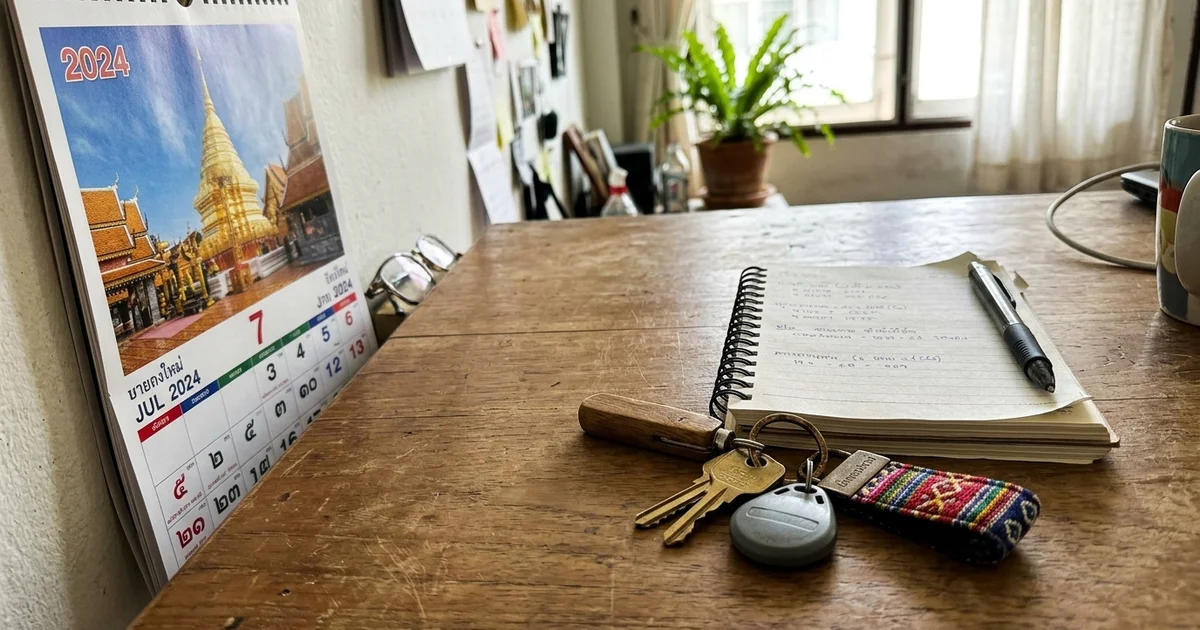
The trade-off in one line
A 12-month lease saves you roughly a third of your rent. A monthly stay saves you from being locked into a building you haven’t tested.
Which matters more depends almost entirely on how confident you are about staying — and, honestly, most people arriving in Chiang Mai are less confident than they think they are. This guide sits under our renting hub, which covers the mechanics of both.
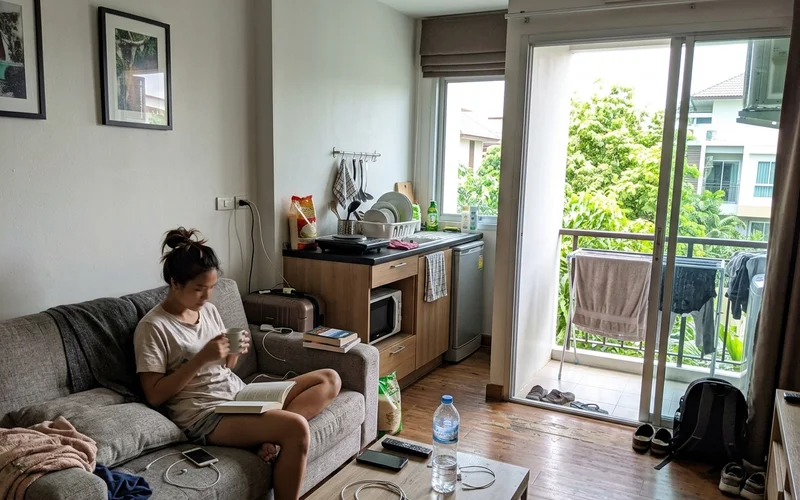
Side by side
| 12-month lease | Monthly stay | |
|---|---|---|
| Rate | Base rate | 30–50% premium |
| Deposit | Two months, plus first month | Usually one month, sometimes none |
| Furniture | Often partly furnished; you fill gaps | Fully furnished |
| Utilities | Metered, paid separately | Often bundled at a markup |
| Cleaning | Yours | Sometimes included |
| Notice | Contract-bound | Typically 30 days |
| Best for | Anyone staying 8+ months | First stays, trial periods, seasonal visitors |
The maths
Take a mid-range one-bedroom that leases at 14,000 THB. Monthly, the same unit runs around 20,000 THB.
- Six months monthly: 120,000 THB, no deposit tied up
- Six months on a lease: 84,000 THB rent plus 28,000 THB deposit committed, plus six more months of obligation
At six months the lease has saved 36,000 THB but committed you to another six. The break-even point — where the saving exceeds the value of the flexibility you gave up — sits somewhere around the seven-to-eight month mark for most people.
Our comparison of nomad versus long-stay costs works through the wider version of this calculation, including setup costs.
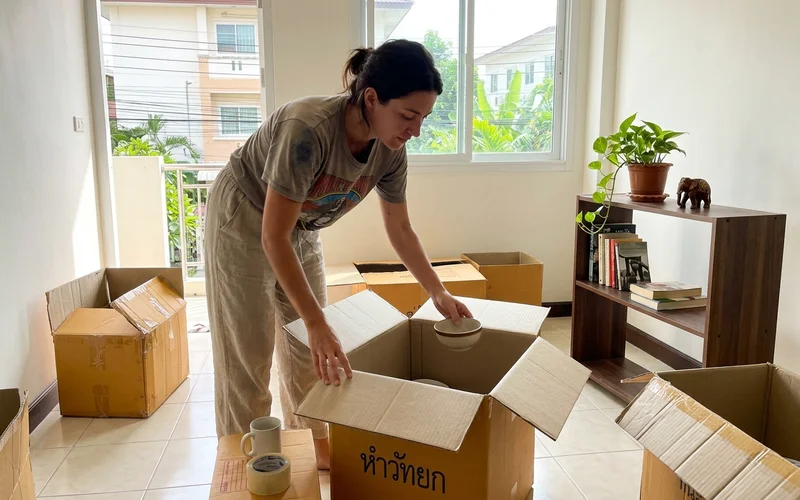
The hidden costs of each
Lease costs people forget: furnishing gaps (a decent mattress, kitchen basics, a desk), electricity billed at a landlord markup, and the deposit you may not fully recover. Our breakdown of deposits, utilities and landlord costs covers what these actually run to.
Monthly costs people forget: the moving overhead every time you switch, the tourist-market pricing on short-term listings, and the way flexibility quietly becomes indecision — a year of monthly stays costs far more than a year’s lease and leaves you with no home.
Who each genuinely suits
Take a lease if you’ve been in the city more than two months, know which area you want, have your visa sorted, and can see yourself staying past the next burning season.
Take a monthly if you’re new, you’re testing the city, your visa is short, your work might move you, or you plan to leave for March anyway.
Take a hybrid if you can: many people spend six weeks monthly, decide, then sign. It’s the most expensive first six weeks and the cheapest possible mistake-avoidance.
The burning season factor
One Chiang Mai-specific wrinkle: a fair number of residents leave the city for four to six weeks in March and April. On a lease, you pay rent regardless. Some people negotiate this into the contract; most simply absorb it. It’s worth pricing into the comparison before you sign.
The practical recommendation
Monthly for your first six weeks. Lease after that.
The premium you pay in those first weeks is the cheapest form of insurance available against a year in a building with thin walls, a west-facing balcony and a bar downstairs that you couldn’t have known about from photographs.
Stay updated
Get the Chiang Mai Brief
Useful local updates, new guides, openings and practical information for living in or visiting Chiang Mai.