
Day Trips & Nature
Chiang Dao Cave: Entrance Fee, Guide & Visitor Information
What to know before visiting Chiang Dao Cave, from cave routes and respectful dress to safety and planning a day trip from Chiang Mai.
15 min read
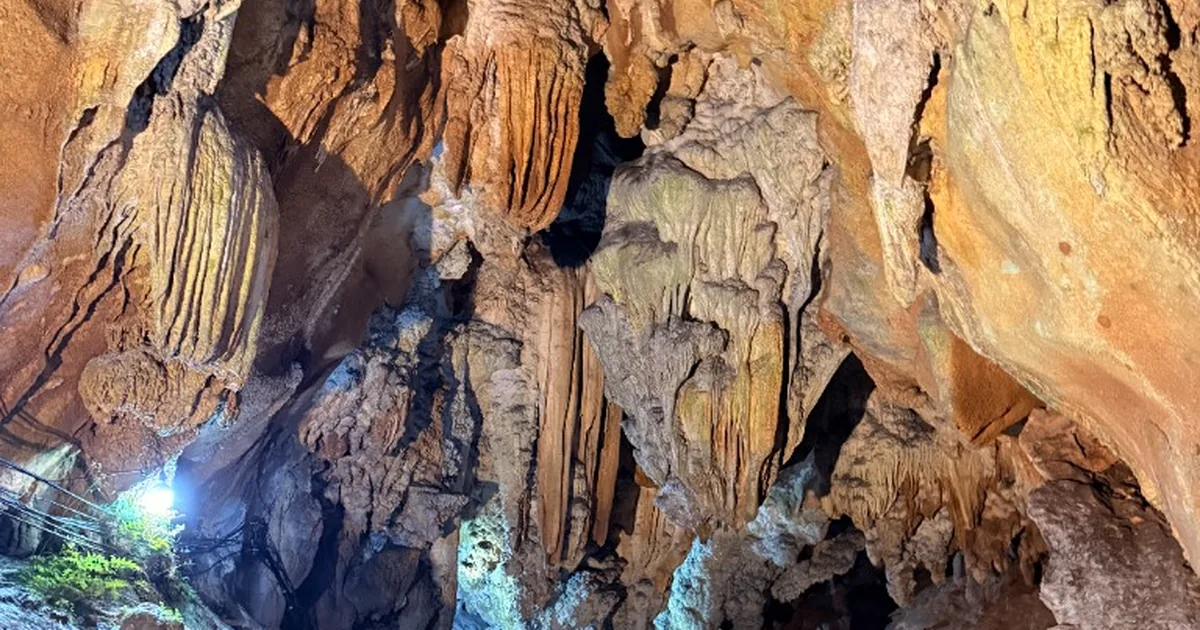
Chiang Dao Cave, known locally as Tham Chiang Dao, is one of the most accessible day trips from Chiang Mai: a limestone cave system beneath Doi Chiang Dao, beside the temple complex of Wat Tham Chiang Dao. It is worth visiting for its atmospheric lit passages, shrines and stalactite chambers, particularly if you are combining it with the wider Chiang Dao area.
Plan for roughly half a day from Chiang Mai, including the drive. The main cave route is straightforward, while deeper sections require a local guide carrying a lantern; conditions can be dim, uneven and humid. Here is what to know about entry fees, opening hours, facilities and getting there.
Key takeaways
- Chiang Dao Cave is a temple cave complex beneath Doi Chiang Dao, about 75 kilometres north of Chiang Mai.
- Explore the illuminated chambers independently; allow roughly 30–60 minutes for the main route.
- The deeper unlit sections require a local guide; the guide fee is 200 THB per group and payment is cash only.
- Arrive early for cooler temperatures and fewer crowds; opening hours are generally around 8am–5pm.
- Wear grippy shoes, carry water and dress modestly: this remains an active Buddhist temple.
- Drive from Chiang Mai in about 90 minutes, or arrange a private driver for easier onward exploration.
Chiang Dao Cave at Wat Tham Chiang Dao: is it worth visiting?
Yes, Chiang Dao Cave is worth visiting, particularly for travellers who want something more atmospheric than a standard temple stop. Set beneath the limestone mass of Doi Luang Chiang Dao, the cave sits within Wat Tham Chiang Dao, a working Buddhist temple complex about 70 kilometres north of Chiang Mai. It combines the cool, shadowed drama of a natural cavern with shrines, Buddha images and the faint scent of incense: a distinctly northern Thailand experience rather than a polished attraction.
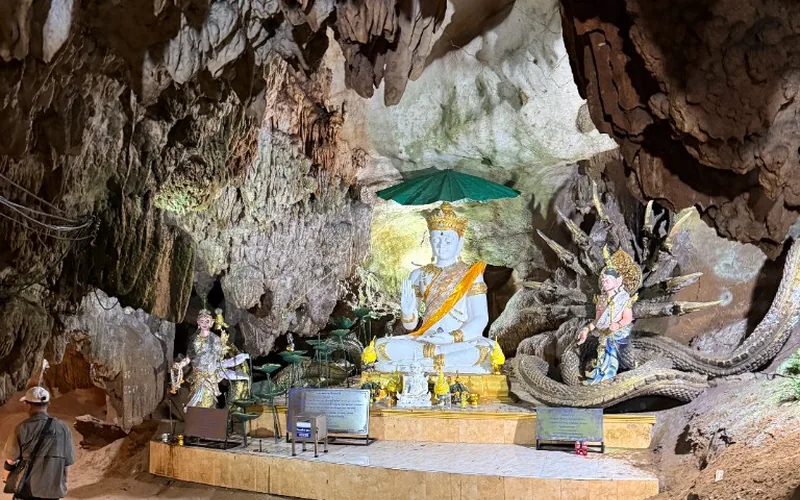
The main, electrically lit chambers are easy to explore independently and suit most visitors, including families and anyone short on time. Expect uneven, occasionally damp paths, low ceilings in places and plenty of statues tucked between stalactites. The best-known formations have imaginative local names, but the appeal lies less in ticking them off than in taking in the cave’s remarkable scale and devotional character. Allow 30 to 45 minutes for the accessible route, then leave time for the temple grounds and a drink or lunch in Chiang Dao village.
- Best for: travellers seeking a cave and temple experience in one stop.
- Allow: 30 to 45 minutes for the lit route, longer with a guide.
- Bring: cash for the guide and shoes with good grip.
- Go early: the morning is cooler and quieter.
For a deeper visit, hire one of the local guides at the entrance. The unlit sections require a guide, who leads the way with a traditional gas lantern. The route involves rough ground, low sections and complete darkness, so it is not ideal for anyone with strong claustrophobia, mobility limitations or a dislike of bats and insects. The guided section costs 200 THB per group, paid in cash.
Wat Tham Chiang Dao is at its best early in the morning, when day-trippers have not yet arrived and the mountain air is still cool. Midday visits can feel busy, especially in the high season, although the cave itself remains refreshingly cool. Dress respectfully as this is a temple: cover shoulders and knees, speak quietly around prayer areas, and remove shoes where requested.
Those expecting a wild, unregulated caving expedition may find the principal route modest; those expecting a conventional temple may be surprised by how immersive it feels. The setting is what makes Dao Cave Temple special. The mountain looms above, the caves hold centuries of religious significance, and the surrounding Chiang Dao area rewards a slower day trip. Pair Chiang Dao Cave with a nearby café, local market or views towards Doi Luang Chiang Dao, and it becomes one of the most worthwhile half-day excursions in Thailand’s northern mountains.
Tham Chiang Dao visitor information, fees, opening hours and facilities

Tham Chiang Dao is an easy half-day outing from Chiang Mai, but it rewards a little planning. The temple cave complex lies at the base of Doi Chiang Dao, around 75 kilometres north of the city, and combines a working Buddhist sanctuary with a substantial limestone cavern system. For cave visitors, the practical distinction is simple: the illuminated chambers are straightforward to visit independently, while the deeper passages require a local lantern guide.
Wat Tham Chiang Dao is generally open daily from about 8am to 5pm, though hours can shift around religious events, heavy rain or temple activities. Arriving in the morning is most comfortable, particularly in the hotter months, and gives visitors time to explore the grounds before larger groups arrive. Modest clothing is appropriate: shoulders and knees should be covered in shrine areas, and shoes must be removed before entering certain sacred spaces.
The main entrance costs 40 THB per person for the electrically lit cave sections, while the temple grounds outside are free to enter. The self-guided route includes chambers with stalactites, stalagmites, Buddha images and natural stone formations, with walkways and lighting through the principal areas.
To continue into the deeper unlit sections, a local guide is mandatory. The guide fee is 200 THB per group and includes a traditional gas lantern used to light the route. Payment is cash only, and tips for the guide are appreciated but optional. Expect low ceilings, uneven ground and narrow passages.
Facilities are practical rather than polished. There is parking close to the entrance, toilets, small food stalls and souvenir vendors around the temple grounds, plus cafés and restaurants in the wider Chiang Dao area. Wear shoes with grip, carry drinking water and keep a light layer handy: the cave air is cool and damp even on a hot northern Thailand afternoon. For travellers continuing towards Doi Chiang Dao, Mae Taeng or the mountain villages, the stop fits naturally into a northbound day of travel.
Tham Chiang Dao Visitor Quick Reference
| Visitor detail | What to know | Planning note |
|---|---|---|
| Location and access | Wat Tham Chiang Dao is at the base of Doi Chiang Dao, about 75 kilometres north of Chiang Mai. | It works well as an easy half-day outing or as part of a northbound travel day. |
| Opening hours | Generally open daily from about 8am to 5pm. | Hours are subject to change for religious events, heavy rain or temple activities. |
| Best time to visit | Morning visits are more comfortable, especially in hotter months. | Arriving early also allows time to explore before larger coach groups arrive. |
| Main cave entry | The electrically lit principal section is self-guided, with walkways and lighting. | 40 THB per person; the temple grounds outside are free. |
| Deeper cave passages | The deeper unlit sections require a local guide carrying a traditional gas lantern. | 200 THB per group; tips are appreciated but optional. |
| Payment | Cash only | Bring small denominations for the entrance and guide fee. |
| Clothing and shrine etiquette | Cover shoulders and knees in shrine areas, and remove shoes before entering certain sacred spaces. | Modest clothing is appropriate throughout the temple complex. |
| Terrain and suitability | Deeper routes can include low ceilings, uneven steps and narrow squeezes. | They may not suit visitors with serious mobility limitations, strong claustrophobia or a dislike of bats. |
| What to bring | Wear shoes with grip, carry drinking water and bring a light layer. | Cave air is cool and damp, even during hot northern Thailand afternoons. |
| Facilities | Parking, toilets, small food stalls and souvenir vendors are near the temple grounds. | Cafés and restaurants are available in the wider Chiang Dao area. |
Getting to Chiang Dao Cave from Chiang Mai
Chiang Dao Cave lies about 75 kilometres north of Chiang Mai, an easy day-trip distance but far enough to reward an early start. The route follows Highway 107 through Mae Rim and Mae Taeng before turning west towards the limestone foothills of Doi Chiang Dao. In clear weather, the mountain’s dramatic profile comes into view well before the final approach, a useful sign that visitors are nearly there.
Self-driving is the most flexible option. A rental car or scooter allows time for a leisurely breakfast in Chiang Dao town, a stop at local cafés, or a detour to nearby temples and hot springs. From central Chiang Mai, allow around 1 hour 30 minutes by car, depending on traffic and road conditions. The main road is straightforward and well surfaced; the final stretch to the cave is also paved and signposted. Scooter riders should be confident on faster regional highways and prepared for heat, rain, and limited shade along parts of the journey.
For travellers who would rather leave the logistics to someone else, a private driver or organised tour is the simplest choice. Most Chiang Mai tour itineraries pair the cave with attractions such as Wat Tham Pha Plong, a local market, or the sticky waterfalls at Bua Tong. Private transport is especially worthwhile for families, groups, or anyone hoping to explore beyond the illuminated chambers without watching the clock. Confirm whether cave guide fees and lunch are included: they are often separate from the headline tour price.
Public transport is possible, though it requires more patience. Frequent buses and shared minivans run from Chiang Mai’s Chang Phueak Bus Terminal towards Fang, Tha Ton, and Chiang Rai, passing the Chiang Dao junction. Ask to be dropped near Chiang Dao town or the turn-off, then arrange a songthaew, tuk-tuk, or taxi for the remaining few kilometres to the cave. This option suits unhurried independent travellers, but return transport can be sparse later in the afternoon, so it is wise to agree on a pickup time or keep a local driver’s number.
Whichever route visitors choose, arriving before late morning makes the experience more pleasant. The cave is cooler than the valley outside, but its popular lit sections can become busy with day-trippers. An early departure from Chiang Mai also leaves room to enjoy the slower rhythm of Chiang Dao rather than treating the journey as a rushed out-and-back excursion.
Inside the cave: routes, cave formations and what to expect
Chiang Dao Cave, known locally as Tham Chiang Dao or Dao Cave, is less a single chamber than a limestone cave system running beneath the foothills of Doi Chiang Dao. Its network is said to extend for many kilometres, though visitors experience only a small, managed portion. The entrance sits beside Wat Tham Chiang Dao, where shrines, food stalls and the cool cave mouth create an easy transition from temple grounds to subterranean darkness.
For most visitors, the straightforward route is through the illuminated sections of Tham Phra Nawn and Tham Kaeo (also written Tham Kaew). These passages have concrete walkways, handrails in places and electric lighting that picks out broad chambers, Buddhist images and the cave’s most accessible formations. It is suitable for families and anyone who prefers not to scramble, although the floor can be wet and uneven. Wear shoes with grip, bring a light layer for the cooler air, and mind your head in low corridors.
- Lit route: best for an easy, self-guided visit through the main chambers.
- Guided route: a darker, more adventurous option with a traditional gas lantern and local cave guide.
- What to wear: shoes with grip, plus a light layer for the cooler air.
- Before entering: ask which routes are open, particularly after heavy rain.
The more atmospheric option is to hire a cave guide for the darker branches. Carrying a traditional gas lantern, the guide leads visitors beyond the lit route into narrow passages and larger hidden halls. This is the better choice for travellers who genuinely want to explore rather than simply walk through a show cave, but it involves uneven rock, crouching and a degree of comfort with darkness. Ask at the entrance which routes are open, particularly after heavy rain.
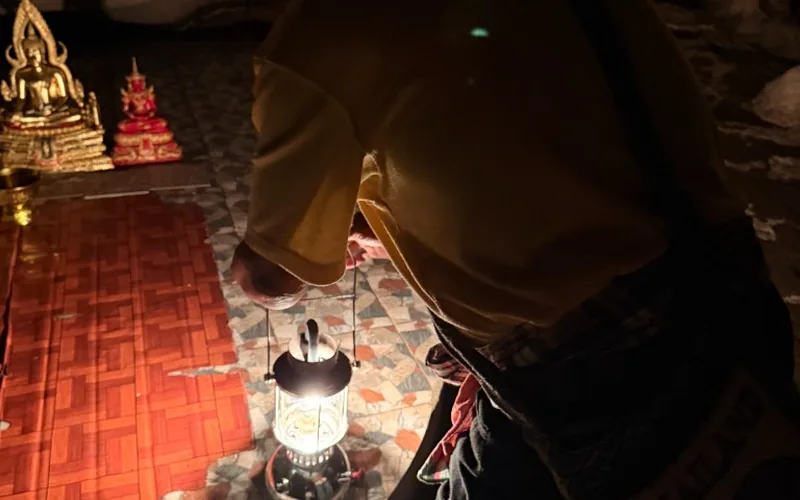
First-hand note: On my visit, the guided dark-cave section was the highlight. Once we left the illuminated area it became completely dark, with the guide and gas lantern leading the way through the cave. I saw hundreds of small bats hanging from the ceiling, along with plenty of spiders, and the range of stalactite and stalagmite formations was remarkable. The cave felt much larger than I expected. I would not attempt the unlit section without a guide, both for navigation and because the terrain is much less predictable than the main lit route.
I would highly recommend visiting Chiang Dao Cave and doing the guided dark-cave tour. It was a genuinely unique experience and, for me, a must-do when visiting Chiang Dao.
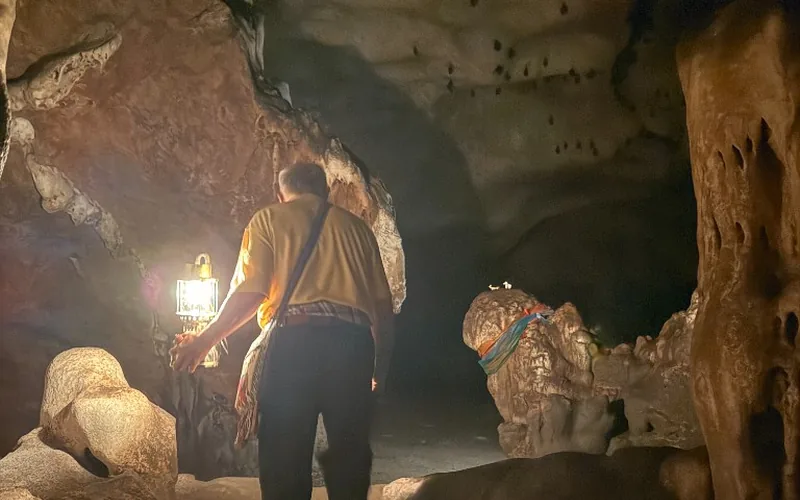
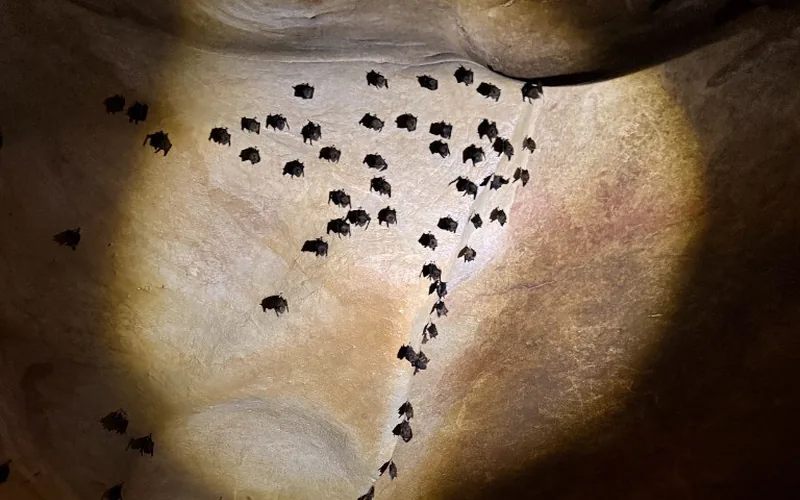
The real appeal lies in the cave formations: slender stalactites descending from the ceiling, stalagmites rising from the floor, flowstone curtains and mineral pools formed drip by drip over long periods. Some chambers hold Buddha statues and small devotional displays, a reminder that this remains a spiritual place as well as a natural attraction. Keep voices low, avoid touching the formations, and allow time to look rather than rush. Even on the short circuit, the sense of scale is striking: passages feel ancient, humid and far more intricate than their relatively modest, visitor-accessible length suggests.
Plan your visit to Chiang Dao Cave: difficulty, etiquette and timing
Chiang Dao Cave is best approached as both a natural landmark and an active temple site, rather than a quick stop between Chiang Mai and the mountains. The illuminated main route is manageable for most visitors: paved or concrete walkways, low steps and handrails lead through large chambers filled with stalactites, shrines and Buddha images. Expect uneven, occasionally damp footing, and wear shoes with grip rather than sandals that slide. Those who are uneasy in enclosed spaces may prefer to linger in the first chambers, where lighting is reliable and exits feel close. The deeper, guide-led passages of Tham Phra Nawn and neighbouring caverns are more adventurous: visitors follow a local guide carrying a traditional gas lantern through narrow sections, over rough limestone and, in places, with little headroom. They are not technically demanding caving experiences, but they require steady balance, patience and a willingness to get dusty.
Dress and behaviour should reflect the setting. Shoulders and knees ought to be covered before entering the temple grounds, and visitors should remove shoes where signs or attendants indicate. Speak quietly around prayer areas, do not climb on formations or touch Buddha images, and give space to people making offerings. The cave’s limestone features have formed over thousands of years; even a casual hand can leave oils that affect their surface. Photography is generally straightforward in the public chambers, though it is best to avoid flash near worshippers, and guides should be asked before photographing them.
For timing, early morning is the calmest choice, especially on weekends and Thai public holidays, when Chiang Dao draws more day-trippers from the city. Arriving soon after opening gives you time to explore the cave and temple grounds before the busiest part of the day. Midday heat matters less underground, but the entrance areas can still become busy. Allow roughly an hour for the self-guided cave route, or longer if taking the guided unlit section; access can change with weather and local cave conditions.
Visitor information last checked: September 2026.
Stay updated
Get the Chiang Mai Brief
Useful local updates, new guides, openings and practical information for living in or visiting Chiang Mai.