
Cost of Living
How Much Money Do You Need to Live Comfortably in Chiang Mai?
Realistic monthly budgets for living comfortably in Chiang Mai, covering rent and food costs, what 35,000 baht covers, and the expenses newcomers often forget.
5 min read
By Daniel Calleja, founder of The Chiang Mai Brief and Chiang Mai resident.
The short answer: most single people can live comfortably in Chiang Mai on roughly 50,000 to 65,000 baht per month, about US$1,500 to $2,000 at recent exchange rates. A careful budget of around 35,000 baht (about US$1,000) is workable with clear compromises, while US$2,500 or more allows a generous lifestyle with regular travel.
There is no single correct figure, because two decisions dominate the total: where you rent and how you eat. Housing and food usually account for well over half of monthly spending, so the difference between a modest and a generous budget is set mostly by those two categories. The figures below assume a single person renting long term rather than staying in hotels or serviced apartments. For what rent actually looks like on the ground, see average rent in Chiang Mai by area.
What Does Comfortable Living in Chiang Mai Actually Mean?
Comfortable means different things to different people, so it is worth defining before talking money. In this article, comfortable means a modern condo in a decent neighbourhood, eating out most days, getting around by Grab or a rented scooter, a gym or coworking membership, and enough left over for insurance, visa fees and some savings.
It does not mean a house with a garden, a car, or a fridge full of imported groceries. Someone who works from cafes and eats mostly local food will spend noticeably less than a couple who want familiar comforts every day. Neither is wrong, but the two versions of comfortable produce very different monthly totals.
For context, the smaller categories rarely change the calculation: utilities (electricity, water, home internet and a phone plan) typically add ฿2,500 to ฿4,500 for a single person, and day-to-day transport by songthaew and Grab usually stays within a couple of thousand baht. This is why rent and food dominate the maths.
How Much Should You Budget for Rent in Chiang Mai?
Rent is the biggest variable. A modern one-bedroom condo in Nimman or near the city centre typically runs ฿15,000 to ฿20,000, while an older studio in Santitham or just outside the moat can be found for ฿6,000 to ฿10,000. Houses in the southern suburbs such as Hang Dong start around ฿15,000 for something modest and rise quickly with size and condition.
Twelve-month leases get the best prices, furnished units are standard, and viewing property in person matters, because listings often flatter the reality. For a wider look at the numbers, our Living in Chiang Mai guide covers budgets and costs across the city.
How Much Do Food and Groceries Cost Each Month?
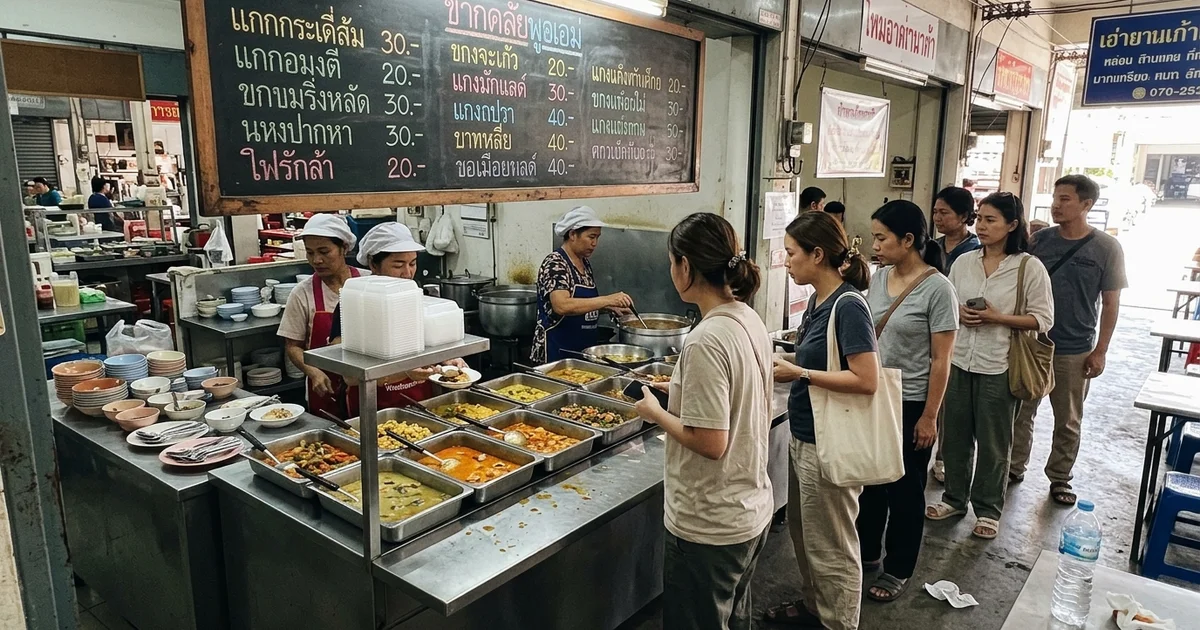
Food spending depends almost entirely on how often you eat Western food. A bowl of khao soi or a plate of pad kra pao at a local restaurant runs ฿50 to ฿80, and fresh markets sell produce cheaply enough that cooking at home is optional rather than economical. International restaurants, wine, cheese and imported brands often cost close to what they would in Western countries, so a Western-leaning diet raises the total quickly.
A realistic monthly food budget is ฿6,000 to ฿9,000 eating mostly local, or ฿12,000 to ฿18,000 for a mixed diet with regular restaurant meals and coffee-shop spending.
Can You Live Comfortably in Chiang Mai on 35,000 Baht a Month?
Yes, with clear compromises. At roughly US$1,000, you are looking at an older condo outside the premium neighbourhoods, mostly local food, songthaews instead of daily Grab rides, and limited drinking or restaurant dining. Plenty of remote workers and retirees live well at this level, but it leaves little room for travel, and any large unexpected cost will hurt.
If your budget is fixed at this level, the two biggest levers are the building you choose and how often you eat imported food. Getting those two right matters more than trimming anything else.
What Costs Do Newcomers Often Forget?
The monthly categories above are predictable; the irregular ones are what catch people out:
- Rental deposits: typically two months upfront, plus a further month in advance
- Visa fees and extensions, which vary by route
- Insurance premiums, easy to postpone and expensive to ignore
- ATM and transfer fees for foreign cards; a Thai bank account or a transfer service such as Wise reduces these
- Burning-season extras: air purifiers, masks and sometimes flights away in March
- Scooter gear, laundry and utility deposits, small individually but real in aggregate
None of these should change the headline answer, but together they can add several thousand baht to an average month, so they are worth building into the figure you plan around.
Stay updated
Get the Chiang Mai Brief
Useful local updates, new guides, openings and practical information for living in or visiting Chiang Mai.